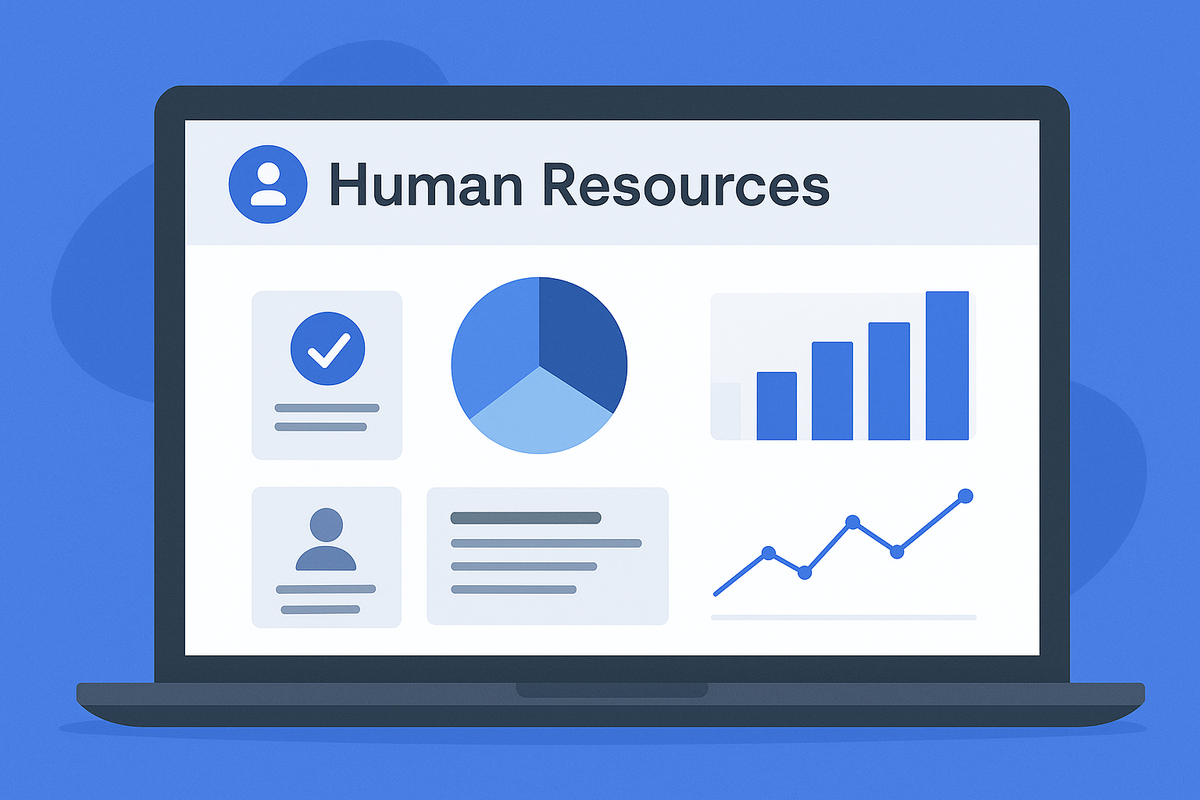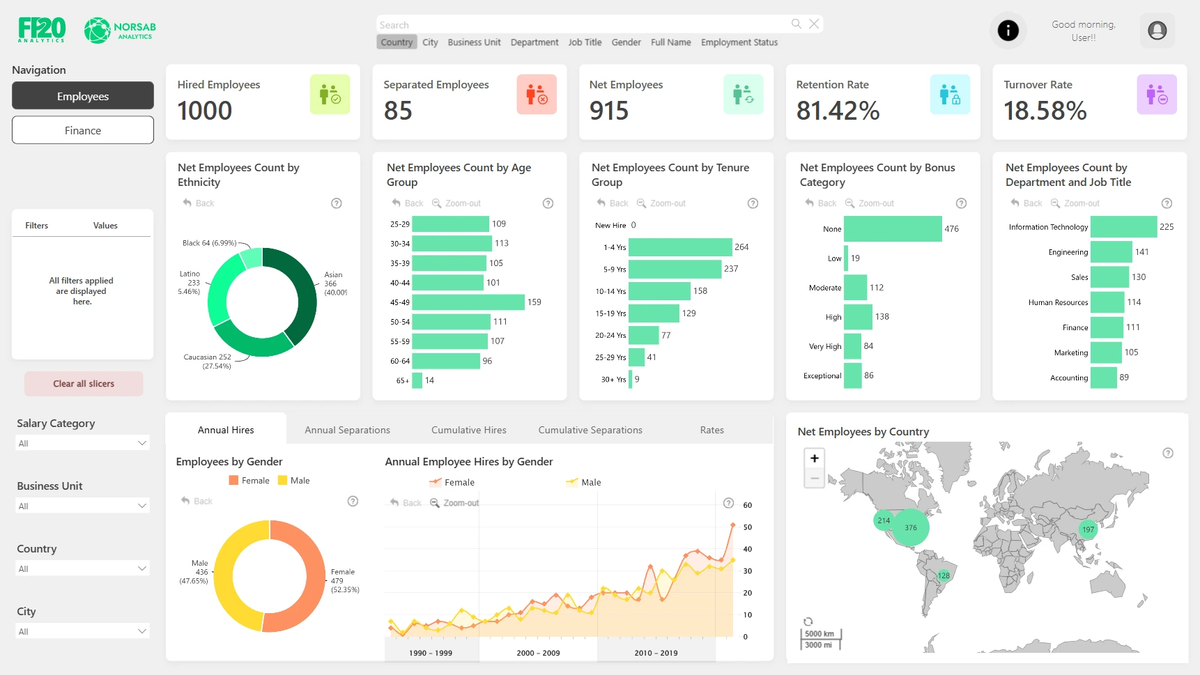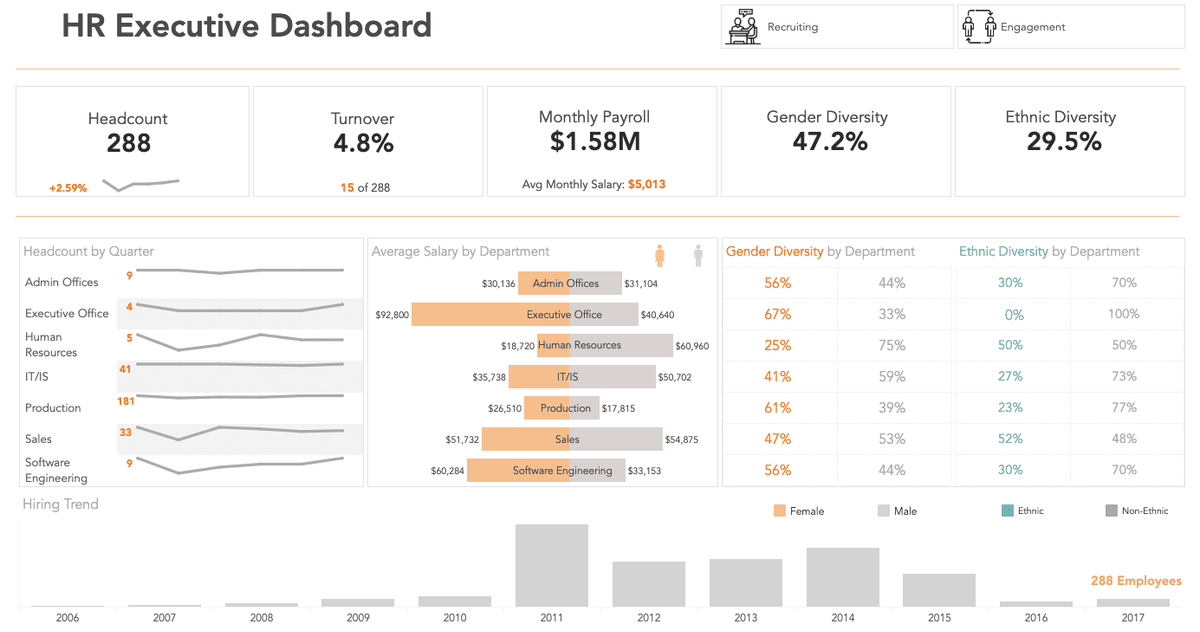
HR teams often feel buried in administrative work: reconciling spreadsheets, tracking down timesheets, and generating manual reports. This overload can stifle innovation and limit HR's ability to take on more strategic projects. eMetric Suite dramatically reduces that burden by automating and centralizing core functions.
The Admin Pain Points
- Manual data entry and reconciliation
- Multiple disconnected systems
- Time-consuming report generation
- High risk of error and duplication
- Limited time for strategic HR work
Automating Core HR Functions with eMetric
- Integrated Modules: Payroll, HR records, timesheets, and performance all live in one system. emetricsuite.com
- Automated Workflows: Approvals (timesheets, salary changes, review) can be automated.
- Digital Record-Keeping: Employee data, documents, and history are stored centrally. emetricsuite.com
- Built-in Reporting: Pre-built dashboards and custom reports eliminate manual report compilation. emetricsuite.com
- Real-Time Data Flow: Information updates across modules in real time — no manual syncing.
Business Impacts
- Reduced Cost: Less time spent on administrative tasks means lower overhead.
- Reduced Error: Central records reduce the chance of mistakes from manual copying.
- Faster Cycles: Processes like payroll or performance reviews close more quickly.
- Higher HR Impact: HR professionals can spend more time on engagement, strategy, and talent development.
How to Roll This Out
Audit current tasks: Document what HR spends time on and estimate cost/time of manual processes.
Identify quick wins: Prioritize modules that will deliver the fastest ROI (e.g., payroll automation).
Train HR & managers: Show how to use automated workflows in the system.
Monitor and refine: Use eMetric’s reporting to track process time saved and iterate.
Conclusion
Administrative work is often the “silent tax” on HR teams. By adopting eMetric Suite, you can automate, centralize, and simplify — giving HR professionals breathing room to think big, not just process.