Performance appraisals are powerful when they reflect real contribution — but only if they’re backed by data. Too often, appraisals rely on subjective memory or limited feedback. With eMetric Suite, HR leaders can generate data-driven appraisal reports built on real metrics, continuous feedback, and documented achievements.
Challenges with Traditional Appraisals
- Recency bias: People over-focus on recent performance.
- Lack of data: No record of past milestones, feedback, or contributions.
- Inconsistency across managers: Different criteria, different scoring.
- Difficulty benchmarking: Hard to compare across teams or time periods.
eMetric Suite’s Data-Driven Appraisal Features
- Automatic Data Generation: Collect key performance metrics (project completion, goal attainment, feedback). emetricsuite.com
- Feedback Integration: Blend continuous feedback with formal review data. emetricsuite.com
- Goal-Based Reporting: Show how employees progressed on their objectives over the review period. emetricsuite.com
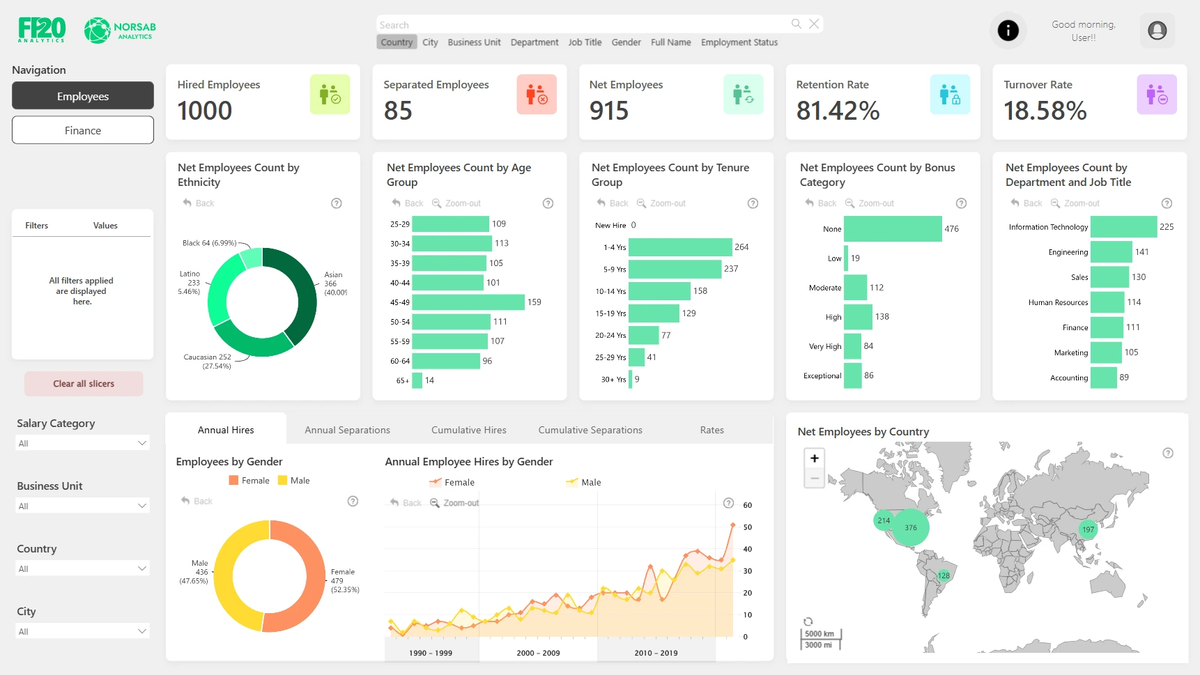
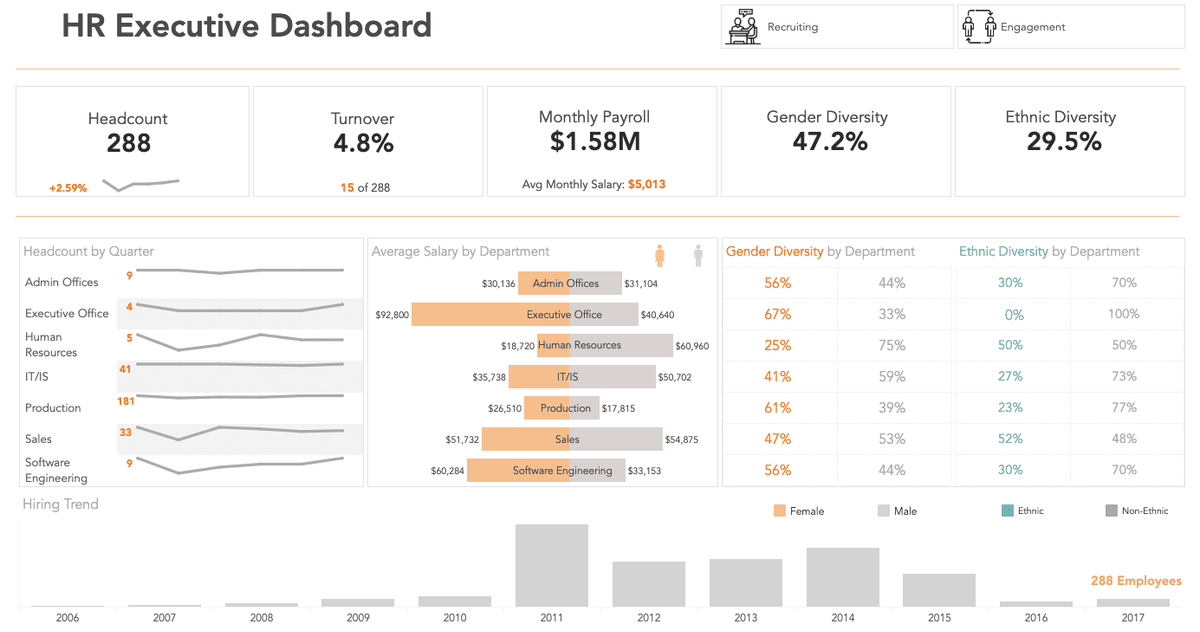
- Performance Dashboards: Create visual reports (e.g., bar charts, heatmaps) that highlight high and low performers.
- Historical Analysis: Track appraisal data over time to spot trends, growth, or regression.
Business Impact
- Drives fairness: Objective data supports more consistent and transparent appraisals.
- Supports development: With clear performance data, managers can coach employees effectively.
- Enables benchmarking: HR can compare performance across teams or across years.
- Promotes retention: High-performing employees are recognized and rewarded appropriately.
Tips for Getting the Most from Appraisal Data
Define which metrics matter most for your business (e.g., revenue, customer satisfaction, project delivery).
Ensure consistent goal-setting: when goals are aligned, data becomes more meaningful.
Train managers: show them how to use the dashboards and interpret data.
Use data in conversations, not just in reports: make appraisals a two-way dialogue.
Conclusion
By leveraging eMetric Suite’s ability to generate and analyze performance data, HR can elevate appraisals from guesswork to insight-driven conversations. That means fairer evaluations, more meaningful development, and better alignment with business objectives.